Category: Storage

  • Guyana to install 33 MWp of Grid-scale Solar PV + Storage

    Guyana to install 33 MWp of Grid-scale Solar PV + Storage

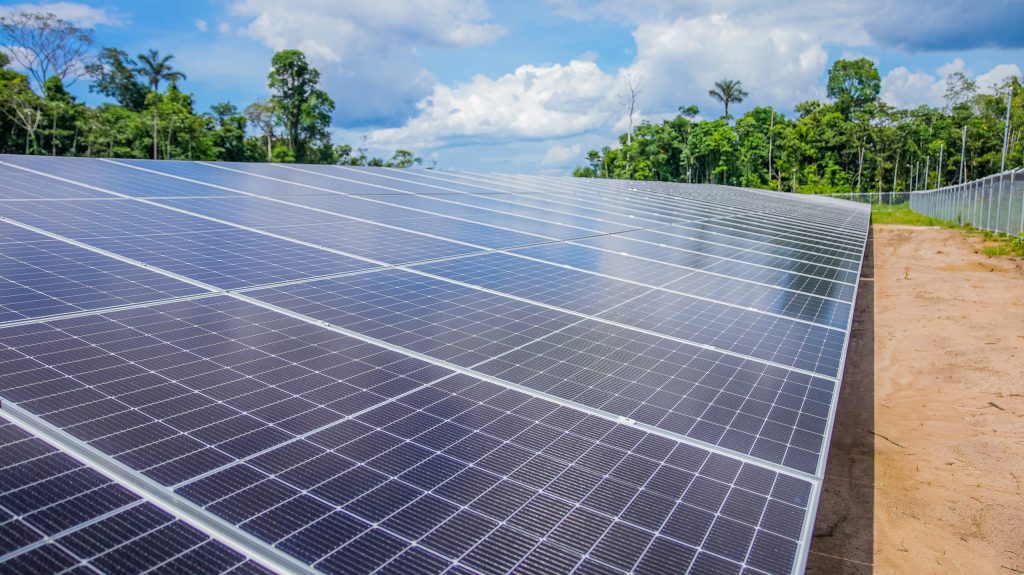
    Guyana plans to install 33 MWp (megawatt peak) of grid-scale solar PV with battery storage in three of its un-interconnected (isolated) grids.

    The Government of Guyana (GoG), notwithstanding the Country’s evolving oil and gas sector, is committed to the development of a cleaner, greener, and more diversified energy matrix that is based on indigenous resources as outlined in its recently published 2030 Low Carbon Development Strategy (LCDS). Aside from having the capacity to utilize hydropower, wind, and biomass, Guyana has significant solar PV potential.

    Guyana has a long-term average global horizontal irradiance (GHI) of 5.0-5.9 kWh/m2 (kilowatt-hours per square meter) per day, based on satellite data. To put things in perspective, Germany, which has approximately 6.8% of the world’s installed solar PV capacity at the end of 2021, has very few locations with a GHI above 3.5 kWh/m2/day.

    As such, the GoG has given the Guyana Power and Light Inc. (GPL) the mandate to utilize NORAD funding to execute a national solar photovoltaic (PV) project in alignment with its plans to increase renewable energy penetration and grid stability on the power system. The project will be administered through the Inter-American Development Bank (IDB) with GPL being the execution agency

    The program is targeting eight projects totalling 33 MWp of solar PV in three of the country’s grids (Guyana has several un-interconnected grids) as follows:

    • 15 MWp with a 15 MW, 1hr Battery Energy Storage System (BESS) in the Linden Isolated Power System (LIS),
    • 8 MWp with an 8MW, 1hr BESS in the Essequibo Coast Isolated Power System (EIS), and
    • 10 MWp in the Demerara-Berbice Interconnected System (DBIS)

    The Linden project

    The Linden project will involve three (3) PV farms, each rated at 5 MWp. The plants are proposed to be located at Block 37 (in the vicinity of Bamia on the Linden Soesdyke Highway), Retrieve on the eastern side of the Demerara River, and Dacoura on the western side of the Demerara River.

    The Block 37 plant will be interconnected to the Amelia’s Ward 13.8 kV feeder, whilst the Dacoura plant will be interconnected to the Wismar 13.8 kV feeder. The Retrieve plant will, however, be interconnected directly to the 13.8 kV Retrieve substation.

    In addition, given the high level of penetration, a total of 15 MW (megawatt), with a minimum duration of 1 hour, of battery energy storage system (BESS) will also be installed and interconnected to the Linden system for stability purposes.

    The Linden project will initially satisfy approximately 38% of the demand with an average annual generation of 20.12 million kWh (kilowatt-hour). This will result in approximately 17,182 tons of CO2 (carbon dioxide) being avoided annually.

    The Essequibo Coast project

    The Essequibo Coast project will involve two (2) PV farms, rated at 4.4 and 3.6 MWp. The plants are to be located at Ondereeming and Lima Sands, respectively.

    The Onderneeming plant will be interconnected to the South 13.8 kV feeder, while the Lima Sands plant will be interconnected to the North 13.8 kV feeder.

    Much like the Linden project, given the high level of penetration, a total of 8 MW (megawatt), with a minimum duration of 1 hour, of BESS will be installed and interconnected to the Essequibo Cost system for stability purposes.

    The Essequibo Coast project will initially satisfy approximately 28% of the demand with an average annual generation of 12.36 million kWh, which will result in approximately 9,390 tons of CO2 being avoided annually.

    The Berbice Project

    The Berbice project will involve three (3) PV farms. A 4 MWp plant at Trafalgar on the west coast of the Berbice; a 2 MWp plant at Prospect on the east coast of the Berbice; and a 4 MWp plant at Hampshire in Corentyne, Berbice.

    The Trafalgar and Prospect farms will interconnect via an express 13.8 kV line to the 13.8 kV busbar at the Onverwagt and Canefield substations respectively. The Hampshire farm will interconnect to the Canfield F3 13.8 kV feeder.

    These plants will be a part of the DBIS and will satisfy a very small portion of the demand of the DBIS. However, the distributed nature of the project will serve to support the distribution network and reduce losses by supplying power closer to the end user.

    The plants will generate approximately 16.14 million kWh annually, which will result in the avoidance of 10,671 tons of CO2 annually.

    The estimated energy production and land requirements for each plant are shown in Table 1 below.

    SitePlant Size (MW)SystemYearly PV Energy
    Production (MWh)
    DC Capacity FactorLand Requirement
    (acres)
    Prospect, East
    Coast Berbice
    3.0DBIS4,8421815
    Hampshire, East
    Coast Berbice
    3.0DBIS4,8421815
    Trafalgar, West
    Coast Berbice
    4.0DBIS6,4591820
    Lima Sands,
    Essequibo Coast
    3.6EIS5,5601818
    Onderneeming, Essequibo Coast4.4EIS6,7951822
    Block 37, Linden5.0LIS6,7071515
    Retrieve, Linden5.0LIS6,7071515
    Decoura, Linden5.0LIS6,7071515
    Table 1

    Project Funding

    All eight projects form part of the Guyana Utility-scale Solar Photovoltaic Program (GUYSOL) and will be funded through the Norwegian Agency for Development Cooperation (NORAD) Fund. The non-reimbursable funding, which amounts to US$83.3 million is structured as shown in Table2:

    Table 2

    The deadline for commencement of the works under the program is two years, counted from the effectiveness of the Non-reimbursable Financing Agreement, which was signed on 13th September 2022 and made effective as of the 15th June 2022.
  • Jamaica’s RE Near Term Outlook

    Jamaica’s RE Near Term Outlook

    The Jamaican electricity sector has seen its fair share of investment in renewable energy over the last two decades or so, to the tune of approximately US$360 million to be exact.

    Development to date:

    Jamaica has a long history of using its indigenous renewable sources of energy to generate electricity. This dates back as far as 1955 when the Upper White River hydroelectric power plant was inaugurated. The recent thrust to incorporate other forms of indigenous renewable sources of energy into the country’s energy mix started with the installation of a 225 kW wind turbine in 1996 at the Munro College campus, in St. Elizabeth, some fifty years later.

    The success of the Munro installation led to the development of the country’s first commercial wind farm in 2004, the 20.7 MW Wigton I plant located in the neighbouring parish of Manchester. The plant had its fair share of issues, ranging from technical to financial, but the experience gained led to an 18 MW expansion in 2010, dubbed as Wigton II. In 2010 the utility company, the Jamaica Public Service (JPS) Company, also completed its first wind farm, a 3 MW plant located in close proximity to the Munro campus.

    The publishing of the country’s national energy policy in 2009 and it’s draft renewable energy policy in 2010 prompted the development of several renewable energy projects. The first was a 7.2 MW expansion of JPS’s Maggotty hydroelectric plant in 2014. Then in 2016, the country witnessed the largest commissioning of renewable energy plants in a single year, closing out the year with a whopping total of 80 MW. This consisted of the 24 MW expansion of the Wigton Wind Farm (Wigton III), the 36 MW privately owned Wind Farm in St. Elizabeth, and the 20 MW Solar Farm in Clarendon, also privately owned.

    A near term outlook:

    The next renewable energy project on the horizon is the 33.1 MW Eight Rivers Solar Farm in Paradise Park, Westmoreland. In 2015, this project was selected by the Office of Utilities Regulation (OUR) from a list of 19 bids, received in response to a request for proposal (RFP) for renewable energy with capacity up to 37 MW. The privately-owned solar farm broke ground last month and is expected to be completed by December 2018 at an estimated cost of US$48.7 million dollars.

    Once completed this solar farm will be the second, but largest, solar installation on the island and it will feed electricity into the JPS grid at US$0.0854 per kWh. At this feed in rate, which is less than half that of the other solar farm on the island, this project has proven that renewable energy projects can rival conventional generation and it sets a new price ceiling for future renewable energy projects in Jamaica.

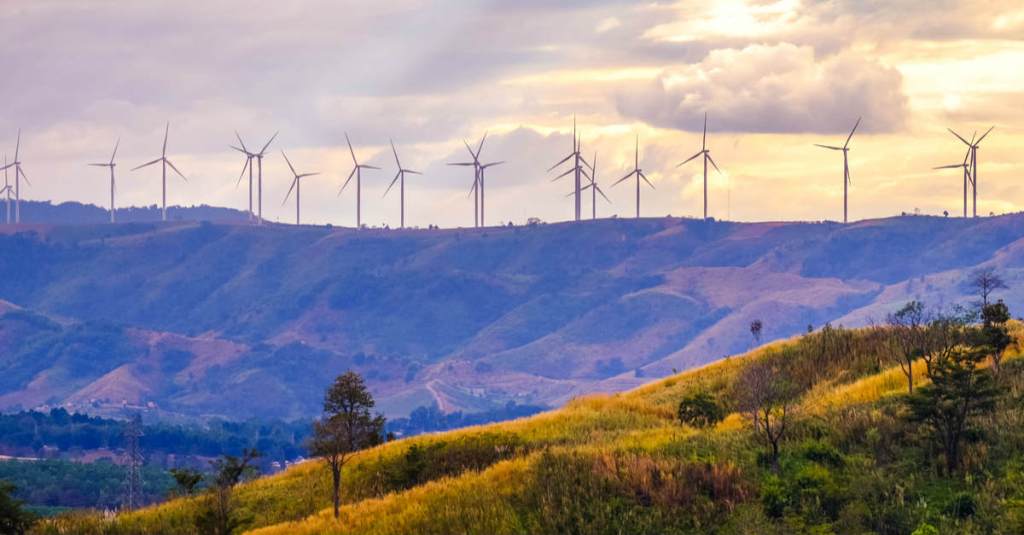
    Though the potential for wind energy on the island has not yet been exhausted, the Petroleum Corporation of Jamaica (PCJ), the parent company of Wigton Windfarms Ltd, is seeking to quantify the country’s offshore wind potential. The PCJ applied for and was awarded, in October of last year, a grant from the United States Trade and Development Agency (USTDA) to undertake a feasibility study of the island’s offshore wind potential. Preliminary work should have started during the final quarter of 2017 and the study is scheduled to last for 12 months. Should it proves feasible and leads to the development of viable offshore wind farms; it will be another first for Jamaica and the wider Caribbean.

    Grid storage is also on the horizon if JPS is successful in obtaining the necessary approvals from the OUR. In May of last year, JPS sent out an RFP for the supply and installation of a 13 or 24.5 MW hybrid energy storage system. According to the light and power company, this system is required to smooth the effect of the intermittent renewable energy sources presently on the grid and also to provide other essential grid services such as frequency support, voltage support, and spinning reserve.

    Dubbed as a first of its kind in the Caribbean, this energy storage system will utilize a combination of high-speed and low-speed flywheels and containerized lithium-ion batteries and is to be located at the Hunts Bay Power Plant substation. Once approved by the regulator, it is expected to be completed by the third quarter of 2018 at an estimated cost of US$21 million.

    The Government is currently putting together an Integrated Resource Plan (IRP) with the intent to guide the development of a modern energy sector in Jamaica. The IRP is expected to establish the projected electricity demand over the next 20 year period, determine the generation capacity and technologies to be used to satisfy this demand, and to establish agreements on the transmission and distribution infrastructure to generate and deliver the needed electricity and the resulting tariffs.

    The IRP, which was originally slated for completion late last year, when completed will give all stakeholders, including the investment community, a clear view of the agreed suite of medium to long term investment opportunities necessary to achieve the island’s 2030 renewable energy target of 30%.

  • Pumped Hydroelectric Energy Storage Technology

    Pumped Hydroelectric Energy Storage Technology

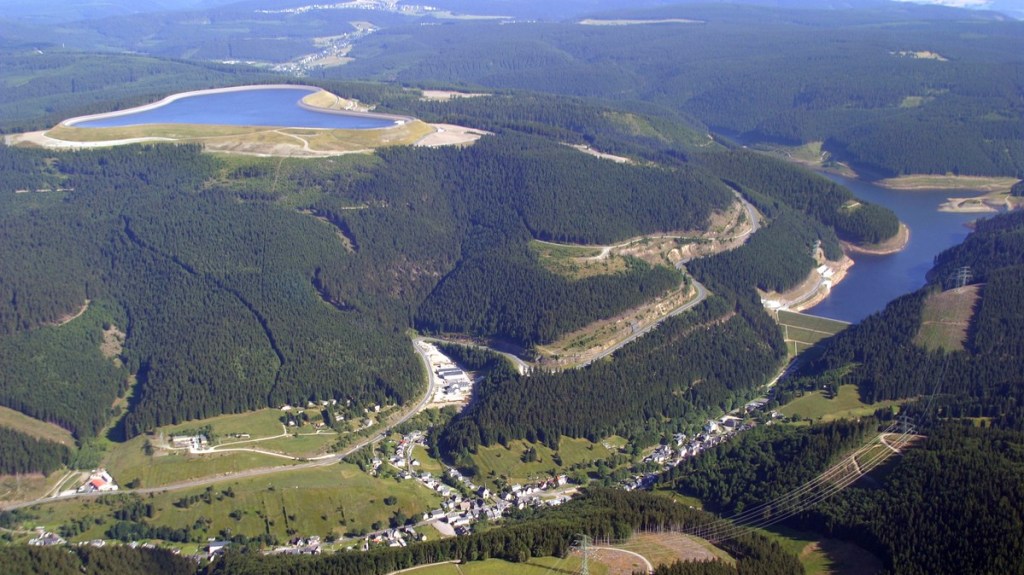
    Pumped Hydroelectric Energy Storage (PHES) is a form of energy storage technique that is based on the storage of a large amount of water at a high elevation. This is accomplished with two water reservoirs (artificial lake or sea) which are at two different elevations (pressure heads), by pumping water from the lower elevation to the higher elevation.

    Water in the upper reservoir will be stored until it is needed, holding enough water for up to several days’ worth of electrical energy. When needed, the stored water is released from the upper reservoir and is used to drive hydro/water turbines, which intern drive electric generators to generate electricity.

    The traditional application of PHES is arbitrage, where low-cost or off-peak electric power is used to run pumps, to pump the water from the lower reservoir to the upper reservoir and the stored water is released to produce electric power during periods of high electrical demand at which time the cost of electric energy is much higher.

    hydropump_07-19-221

    Although the losses of the pumping process make the plant a net consumer of energy overall, the system increases revenue by selling more electricity during periods of peak demand, when electricity prices are highest. Pumped storage is the largest-capacity form of grid energy storage now available.

    A more suitable application for this type of energy storage system is when it is used in conjunction with intermittent renewable energy resources such as wind and solar farms to optimize the availability of wind and solar power. See the article Grid level Energy Storage for more on large-scale energy storage systems.

  • Grid Level Energy Storage

    Grid Level Energy Storage

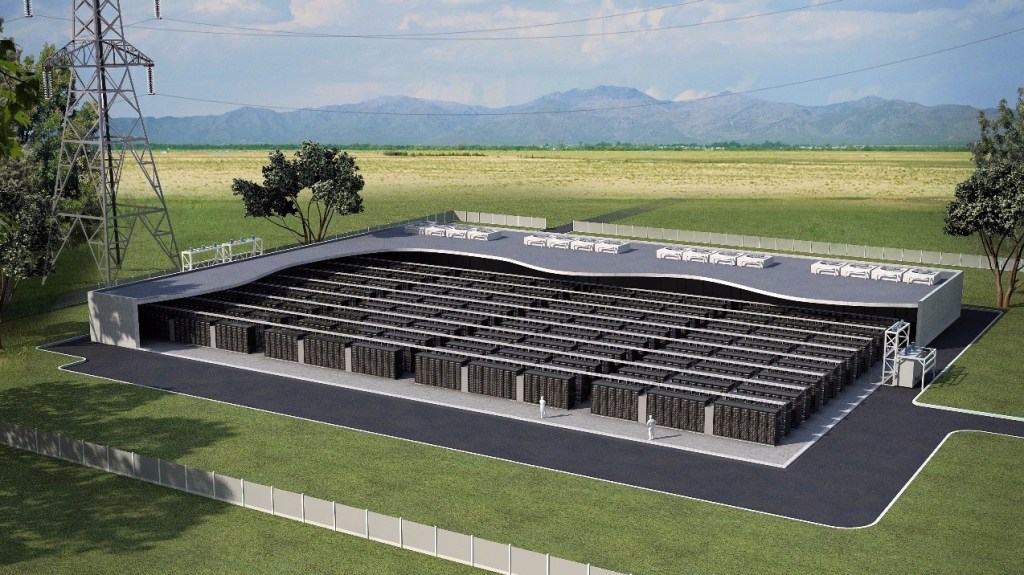
    Have you been wondering, like many, what is Grid Energy Storage and why is there so much talk about large-scale energy storage? Well, grid-level energy storage systems (ESS) are large-scale facilities used to store energy in one form or the other (electrical, chemical, potential, gravitational, etc) within an electric power grid.

    Energy is stored during times when production exceeds consumption and the stored energy is used at times when consumption exceeds production. In this way, electricity production need not be drastically ramped up and down to meet momentary consumption – instead, production is maintained at a more constant level. This has the advantage that fuel-based power plants (i.e. coal, oil, gas) can be more efficiently and easily operated at constant production levels.

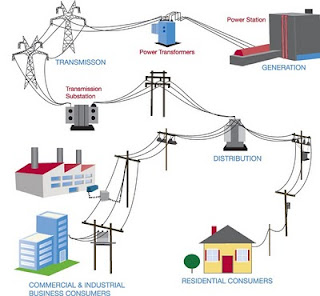
    Modern electric grid

    In particular, the use of grid-connected intermittent energy sources such as solar (photovoltaic) and wind can benefit from grid-level energy storage. These energy sources are by nature unpredictable – meaning that the amount of electrical energy they produce varies over time and depends heavily on random factors such as the weather. In an electric power grid without energy storage, energy sources that rely on the energy stored within fuels (coal, oil, gas) must be ramped up and down to match the rise and fall of energy production from intermittent energy sources. Thus, grid energy storage is one method that the operator of an electric power grid can use to optimize energy production from intermittent renewable energy resources.

    grid20essGrid Energy Storage Application

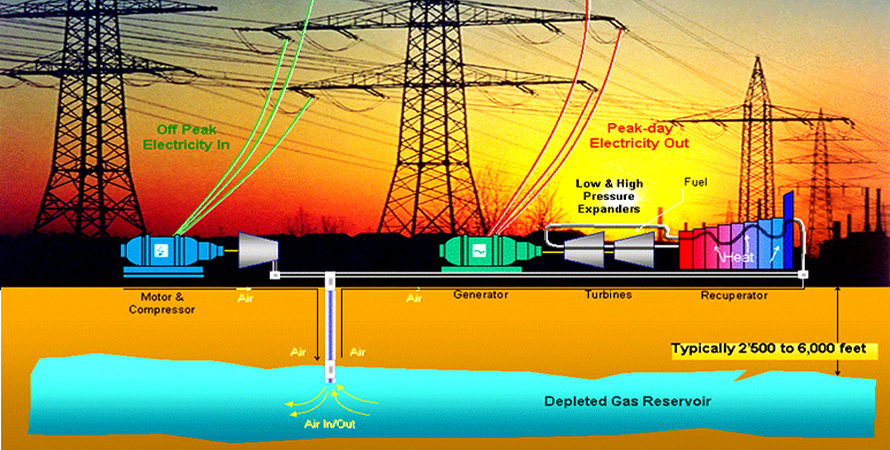
    There are several methods that are currently being pursued as a possible means of grid energy storage. Currently, the list includes: